From Garbage to Greatness: The Recycling of Plastics
In the modern world, plastics are everywhere - from packaging and household items to medical devices and automotive parts. However, their durability and versatility come at a significant environmental cost: plastic pollution. The journey from garbage to greatness is a story about how recycling plastics can transform waste into valuable resources. In this comprehensive article, we will delve into the importance of plastic recycling, the processes involved, its environmental and economic benefits, current innovations, and the crucial role individuals and communities play in sustainable plastic management.
Understanding the Plastic Problem
Plastic waste is one of the most pressing environmental issues of our time. Each year, it's estimated that over 300 million tons of plastic are produced globally, and a significant portion ends up in landfills or oceans. The lifecycle of plastics spans hundreds or even thousands of years, meaning the plastic bottle you toss today could outlive generations.
- Ubiquity: Plastics are used in almost every aspect of daily life
- Longevity: Most plastics are non-biodegradable
- Pollution: Plastic debris contaminates land, oceans, and even food chains
Without effective plastic recycling solutions, the consequences will continue to escalate. Fortunately, the story doesn't end with garbage - recycling offers a beacon of hope.

The Journey of Plastic Recycling
Types of Plastics Suitable for Recycling
Not all plastics are created equal. Understanding the different types helps streamline plastic recycling efforts and ensures a higher rate of success. Common categories include:
- PET (Polyethylene Terephthalate): Used in bottles and food containers
- HDPE (High-Density Polyethylene): Found in milk jugs, detergent bottles, and piping
- LDPE (Low-Density Polyethylene): Utilized in plastic bags and film wraps
- PP (Polypropylene): Used in bottle caps, straws, and some packaging
- PS (Polystyrene): Common in disposable cutlery, plates, and insulation
- Other: Includes polycarbonates and specialty plastics
Each type requires a specific recycling process, so accurately sorting and identifying plastics is crucial for efficient operations.
How Does Plastic Recycling Work?
The plastic recycling process involves several stages, each designed to extract maximum value and minimize waste. Here's an overview of the journey from disposal to new product creation:
- Collection: Plastics are gathered from households, businesses, and public spaces
- Sorting: Plastics are sorted based on resin codes and color for optimal processing
- Cleaning: Items are washed to remove food residue, labels, or adhesives
- Shredding: Cleaned plastics are cut into small flakes for easier handling
- Melting & Pelletizing: Plastic flakes are melted and formed into pellets, the raw material for new products
- Reproduction: These pellets are used to manufacture new items, completing the recycling loop
Mechanical vs. Chemical Plastic Recycling
There are two primary methods for recycling plastics: mechanical recycling and chemical recycling.
- Mechanical Recycling: This is the most common method, involving physical processes like shredding and melting to produce new materials. However, it requires relatively clean and sorted plastics, and the material quality may degrade after multiple cycles.
- Chemical Recycling: Also referred to as advanced recycling, this method breaks plastics down into their original chemical building blocks. These can be reused to make new, virgin-quality plastics, regardless of contamination or sorting. While promising, chemical recycling is often more energy-intensive and costly.
Choosing the right approach depends on the type of plastic, economic considerations, and sustainability goals.
Environmental Impact: Why Plastic Recycling Matters
Extensive research shows that plastic recycling significantly reduces the strain on the environment. Here's how turning garbage into greatness benefits us all:
- *Reduces Landfill Waste:* Every ton of recycled plastic diverts material from landfills, conserving precious space and lowering landfill costs.
- *Conserves Natural Resources:* Recycling plastics cuts down on the need for new fossil fuels and raw materials, helping preserve ecosystems.
- *Lowers Carbon Emissions:* Manufacturing products from recycled plastics generally emits less carbon dioxide compared to virgin plastic production.
- *Protects Oceans and Wildlife:* Recycling helps prevent plastic waste from ending up in rivers, oceans, and food chains, safeguarding marine life and biodiversity.
- Promotes the Circular Economy: By re-integrating recycled materials into production cycles, we foster a closed-loop system, creating sustainable economic and environmental benefits.
From Waste to Products: What Can Recycled Plastics Become?
The transformation potential of recycled plastic materials is impressive. Here are just a few of the remarkable new uses for formerly discarded plastic:
- Textiles: Recycled PET bottles can be spun into fibers for clothing, backpacks, and shoes
- Construction Materials: Recycled plastics are molded into weather-resistant decking, fencing, and roofing tiles
- Packaging: Many beverage and food containers are now made from recycled PET or HDPE
- Roads and Infrastructure: Some companies mix recycled plastics into asphalt for more durable, eco-friendly roads
- Automotive Parts: Car manufacturers use recycled plastics for components like bumpers, dashboards, and door panels
The recycling of plastics isn't merely about removing waste; it's about unlocking new potential and reducing our dependency on raw petroleum resources.
Innovations in Plastic Recycling: Driving Change
The world of plastic recycling is evolving rapidly. New technologies and creative solutions are making the process more efficient and less resource-intensive than ever before.
Some Key Innovations Include:
- AI-Powered Sorting: Advanced sensors and artificial intelligence help sort plastics by resin and color with unprecedented accuracy
- Biological Recycling: Scientists are engineering enzymes and microbes that can break down plastics faster and cleaner than traditional methods
- Chemical Recycling Plants: Facilities are being built that can process mixed plastics and convert them back into high-quality feedstocks
- Zero-Waste Packaging: Companies are reimagining packaging to be 100% recyclable or compostable
- Social Programs: Community initiatives create new jobs, raise awareness, and encourage local plastic collection and recycling efforts
These advancements promise to unlock recycling for harder-to-process plastics and increase the percentage of plastics entering the circular economy.
The Global Perspective: Leaders in Plastic Recycling
Some countries are blazing trails in plastic waste management and recycling innovation:
- Germany: With strict waste sorting laws and an advanced deposit system, Germany leads the world in recycling rates for plastics.
- Sweden: Not only does Sweden recycle almost all of its household waste, but it also turns excess waste into energy.
- Japan: With meticulous waste separation and public involvement, Japan's approach allows over 80% of its plastics to be reused or recycled.
By learning from these nations, other countries can improve their own systems and promote more effective plastic recycling practices.
Challenges Facing Plastic Recycling Today
Despite its promise, the recycling of plastics faces a number of obstacles:
- Contamination: Food residue and non-recyclable items can spoil entire batches, making recycling less effective and more costly.
- Downcycling: Most recycled plastics degrade in quality, limiting their use to lower-grade products.
- Complex Products: Multi-layered or composite plastic items are difficult to separate and recycle.
- Lack of Infrastructure: Many regions lack the necessary facilities or technology to process certain plastics.
- Economic Viability: Fluctuating oil prices can make virgin plastics cheaper than recycled alternatives, affecting market demand.
Addressing these challenges requires concerted efforts from governments, industries, and consumers alike.
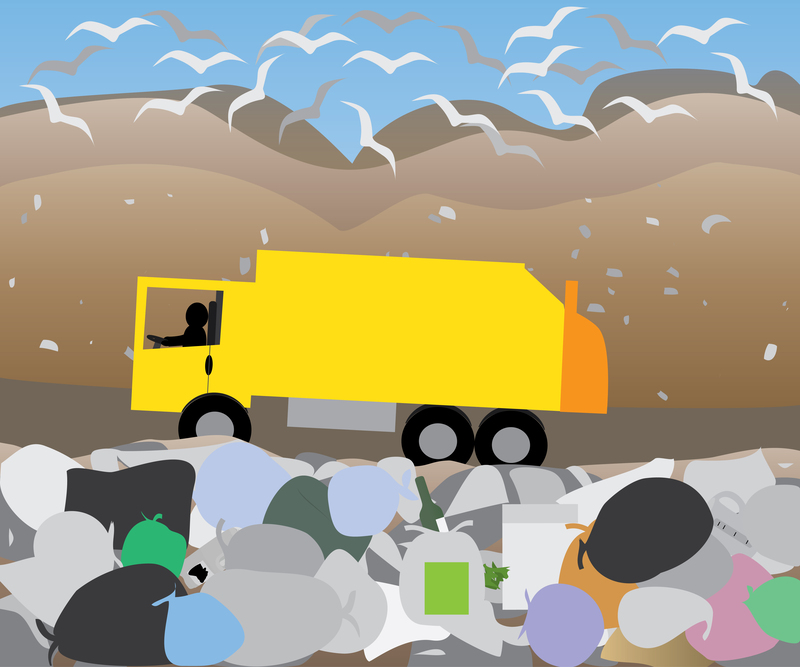
Your Role in the Recycling of Plastics
While innovation and investment are critical, individual and community action is the bedrock of successful plastic recycling. Here's how you can make a difference:
- Know your local recycling guidelines: Sorting rules vary, so get familiar with your area's requirements
- Reduce and reuse where possible: The best way to minimize plastic waste is to avoid excessive use in the first place
- Clean and separate plastics: Ensure items are free from food and other contaminants
- Support recycled products: Buy goods made from post-consumer plastics and encourage businesses to do the same
- Spread the word: Educate others in your community about the importance of plastic recycling
By taking these simple steps, everyone can contribute to turning plastic garbage into new greatness.
The Future of Plastic Recycling
The outlook for plastic recycling and sustainable plastic management is hopeful. Thanks to technological progress and growing environmental awareness, more plastics will avoid the landfill and find second lives. Ongoing research into biodegradable plastics, enzymatic recycling, and closed-loop systems suggests a time when all plastics could be 100% recycled or repurposed.
But, as individuals, communities, and global citizens, we must continue to innovate, invest, and participate in responsible recycling. Each recycled bottle, bag, or cup represents a step toward a cleaner, healthier, and more sustainable world.
Conclusion: From Garbage to Greatness
The recycling of plastics is no longer just an option; it's a necessity for the planet's health and future prosperity. By transforming waste into new products, plastic recycling turns "garbage" into "greatness" - reducing pollution, conserving resources, and driving the circular economy.
Let us embrace our role in this vital journey. Whether you are a business owner, policy-maker, or everyday consumer, your actions can make a profound difference. Together, we can ensure that plastics are not the bane of our environment, but a resource continually reimagined and renewed.
Join the movement: From garbage to greatness, one recycled plastic at a time!